Halal Certification in the UK: HMC, HFA & Zabiha Explained
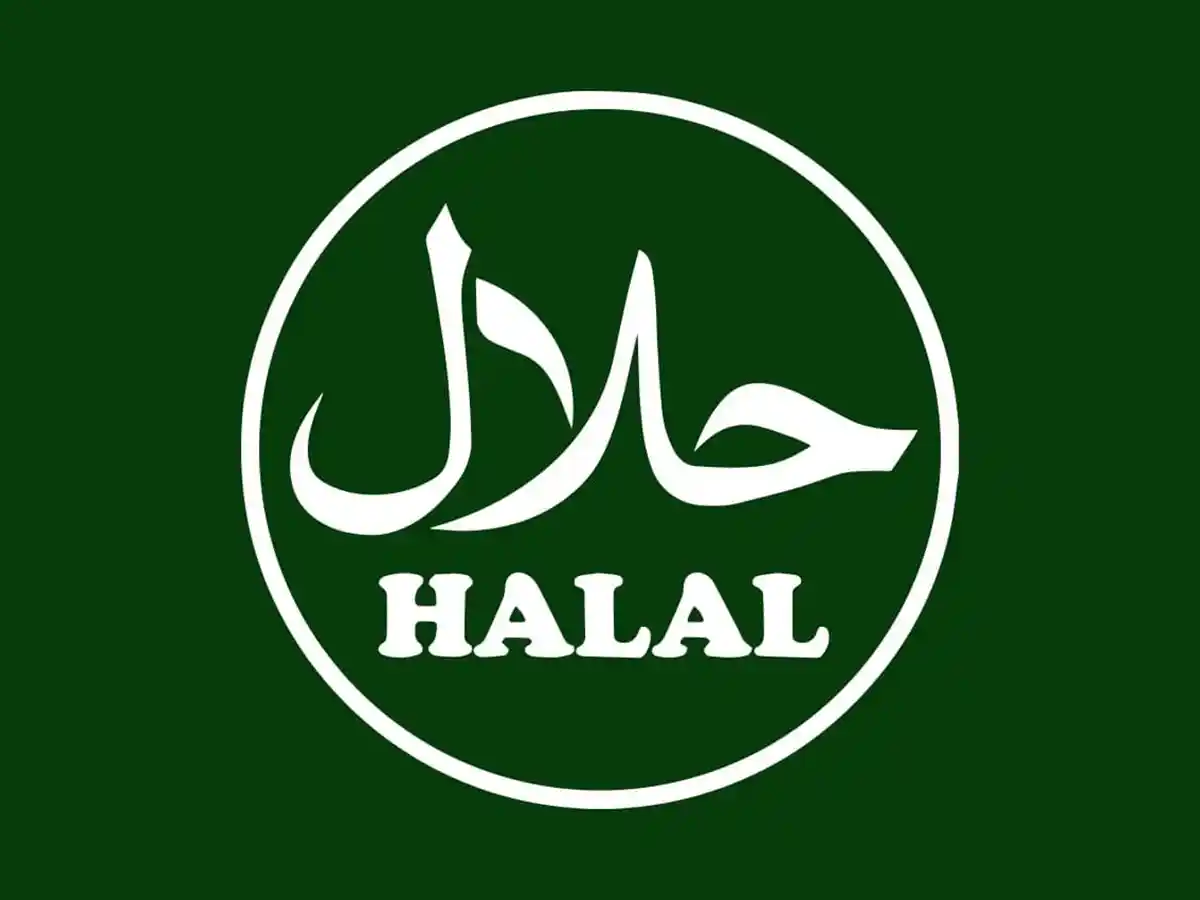
The Label Says Halal — But Which Kind?
You're standing at a butcher counter in Longsight, or scrolling through a food delivery app late on a Friday night, and you see it: halal. But then, if you look closer, the signage says something slightly different at the next shop. One displays an HMC certificate in the window. Another mentions HFA approval. A third simply says "Zabiha" in handwritten letters above the counter. For most British Muslims, this is a familiar moment of quiet uncertainty.
It matters. Deeply. And yet the differences between these standards are rarely explained clearly, in plain English, without an agenda. This guide does exactly that.
Why Halal Certification Is More Complicated Than It Looks
There is no single government-recognised halal authority in the UK. Unlike kosher certification — which operates under a relatively unified religious structure — the halal food industry in Britain has developed organically, shaped by diverse scholarly opinions, commercial pressures, and the needs of a Muslim population that itself spans dozens of cultural and theological traditions.
That means multiple certification bodies have emerged, each with their own standards, inspection processes, and interpretations of Islamic dietary law. Some are stricter than others. Some are more commercially widespread. And some are viewed with scepticism by portions of the Muslim community.
Understanding the differences isn't about gatekeeping — it's about informed choice. Your faith, your family, your call.
What Does Halal Actually Require?
Before comparing certifications, it helps to be clear on what halal slaughter requires at its core:
- The animal must be alive and healthy at the time of slaughter
- The slaughter must be performed by a Muslim
- The name of Allah must be pronounced at the time of slaughter (Bismillah, Allahu Akbar)
- The throat, windpipe, and blood vessels of the neck must be swiftly cut
- Blood must be fully drained from the carcass
- The animal must not be a forbidden species (pork, predatory animals, etc.)
Where the major certifications diverge is primarily on two questions: stunning and supervision.
HMC: The Stricter Standard
The Halal Monitoring Committee (HMC) is widely regarded as the most rigorous mainstream halal certification body in the UK. Founded in Leicester in 2003, it has become particularly influential in Northern England — and you'll spot its green and white certification in butchers and restaurants across Rusholme, Cheetham Hill, and Levenshulme.
HMC's position is unambiguous: no stunning permitted. Every animal must be slaughtered by hand, without pre-slaughter stunning of any kind, by a practicing Muslim who recites the tasmiyah over each individual animal. HMC places inspectors — not just occasional auditors — directly in the abattoirs they certify. Their monitoring is ongoing, not a once-a-year tick-box exercise.
For scholars and community members who consider stunning incompatible with halal requirements, HMC is the benchmark. Many mosques in Greater Manchester and the broader North West specifically recommend HMC-certified suppliers to their communities.
"HMC certification means someone was physically present, watching every cut. That level of oversight is what gives a lot of families genuine peace of mind."
The trade-off is availability. Not every restaurant, takeaway, or supermarket carries HMC-certified meat. If HMC is your standard, you'll often be shopping at dedicated halal butchers rather than mainstream supermarkets — which, frankly, is no bad thing for quality either.
HFA: The More Commercially Widespread Certification
The Halal Food Authority (HFA) has been certifying products since 1994 and is arguably the most commercially widespread halal certification body in the UK. You'll find HFA approval on products in major supermarkets, high-street fast food chains, and large food manufacturers.
The critical difference: HFA permits certain forms of stunning, provided the animal remains alive after the stun and the slaughter itself is performed correctly by a Muslim with the tasmiyah recited. HFA argues — supported by a number of contemporary scholars — that recoverable stunning does not invalidate halal slaughter if the animal could have survived and the actual cut meets all requirements.
This position is accepted by many British Muslims, particularly those who prioritise broad availability and affordability, and is supported by certain scholarly opinions within mainstream Sunni fiqh. It is not, however, accepted by everyone. Some scholars and community members consider any stunning categorically impermissible.
HFA's inspection model also involves periodic audits rather than permanent on-site presence, which is another point of difference worth knowing.
Zabiha: A Method, Not a Brand
Here's where the terminology trips people up most often. Zabiha (also spelled Dhabiha or Thabihah) is not a certification body — it is the Islamic method of slaughter itself. When a butcher describes their meat as "Zabiha halal," they are asserting that the animal was slaughtered according to the correct Islamic method, by hand, by a Muslim, with the proper invocation.
The problem is that "Zabiha halal" carries no standardised third-party verification unless it is backed by a recognised certifying body. A shop can use the term freely. That doesn't make it dishonest — many family-run butchers in Manchester's Cheetham Hill or Longsight have deep community roots and genuine accountability to their customers and their faith — but it does mean you are, to some extent, relying on trust and reputation rather than documented oversight.
Ask questions. A good butcher will welcome them. Which abattoir do they source from? Is it HMC-certified? Do they have paperwork? The willingness to answer openly is itself a reassuring sign.
Other Certifications Worth Knowing
Beyond HMC and HFA, a handful of other bodies operate in the UK market:
- Halal Certification Europe (HCE) — increasingly seen on imported products
- IFANCA — a US-based body whose certification appears on some imported American and international products sold in the UK
- Mosque-issued certificates — some smaller local operations are certified directly by a local imam or Islamic centre rather than a national body
Each carries its own credibility and its own set of standards. When in doubt, the HMC's verified restaurant and retailer list is one of the most reliable tools available to shoppers in Manchester and beyond.
A Practical Guide for Halal Shoppers in Greater Manchester
Here is what to actually do with all of this information when you're out shopping:
- Know your personal standard before you shop. Decide where you land on the stunning question — it will simplify every decision that follows.
- Look for the certificate in the window, not just the word "halal" on the sign. Any reputable certified premises will display their certificate visibly.
- Ask your butcher directly. "Is this HMC certified?" is a completely reasonable question. So is "which abattoir does this come from?"
- Use verified platforms. Sites like Zaveato list halal shops and products with certification details, saving you the research legwork — particularly useful when you're exploring areas outside your usual postcode.
- For restaurants, check the certificate date. Certifications expire and must be renewed. A certificate from three years ago on the wall is not necessarily current.
- Supermarket halal sections vary considerably. Most major UK supermarkets carry HFA-certified meat at best. If HMC is your standard, you're better served by independent halal butchers.
- Know that packaged products have their own complexity. Halal certification on a ready meal or processed product covers the entire ingredient list — not just the meat. A reputable certifier will have checked for hidden non-halal derivatives like certain gelatines, emulsifiers, and flavourings.
The Bottom Line
There is no universally "correct" answer to the question of which certification is best — there is only what aligns with your understanding of Islamic dietary law, your scholarly tradition, and your conscience. What you deserve, as a consumer and as a Muslim, is accurate information to make that choice properly.
HMC represents the strictest widely-available standard, with no stunning and full-time supervision. HFA is broader in reach and permits recoverable stunning under specific conditions. Zabiha is a descriptor of method, not a guarantee of oversight. And a confident, transparent halal butcher — the kind you find in Rusholme's side streets or along Cheetham Hill Road — is often your most reliable asset of all.
When you need to explore beyond your regular shops, Zaveato brings Manchester's halal food scene into one verified, browsable place — so you spend less time questioning labels and more time actually cooking.